
Main Points :
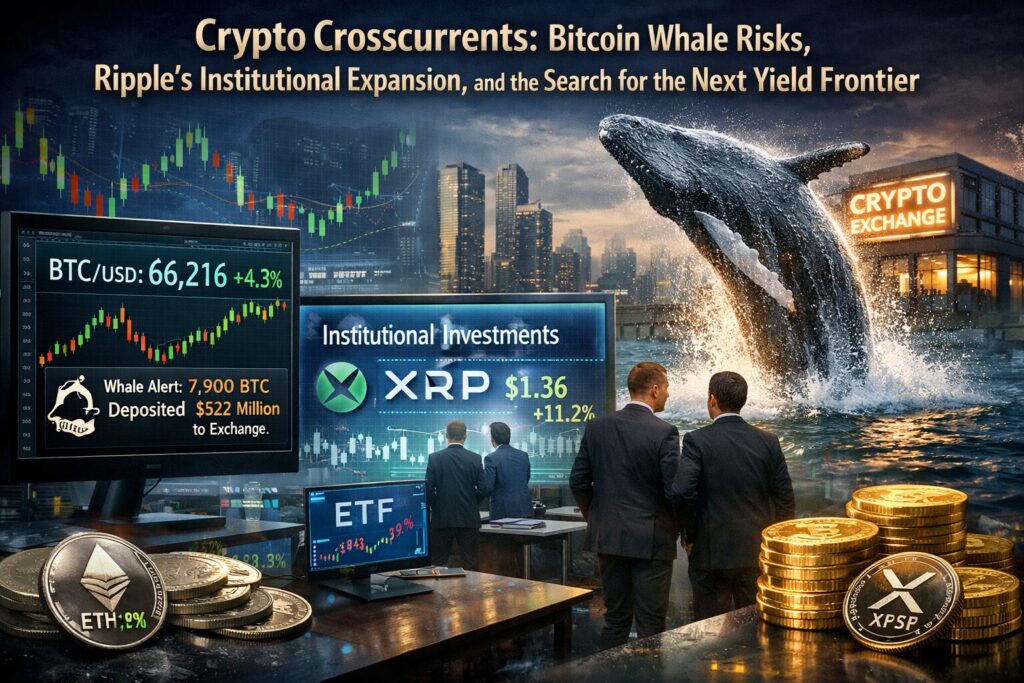
- Bitcoin (BTC) rose +4.3% to $66,216, with institutional optimism intact despite whale sell signals.
- Ethereum (ETH) gained +3.9% to $1,943 amid treasury reallocations and corporate accumulation.
- XRP (XRP) surged +11.2% to $1.36 following Ripple’s institutional custody expansion and tokenization partnerships.
- Solana (SOL) advanced +3.6% to $78.51 as ecosystem fundamentals stabilize.
- Institutional infrastructure expansion, tokenization initiatives, and treasury strategies are reshaping the next crypto cycle.
- Whale exchange inflows and debt-driven liquidations signal volatility risks—but long-term structural demand persists.
1. Bitcoin: Weakest Bear Market or Pre-Distribution?
Bitcoin closed the week at $66,216, up 4.3% from the previous week. While the price action appears constructive, the narrative beneath the surface is far more complex.
Bernstein Maintains $150,000 Forecast
Asset management firm Bernstein reaffirmed its long-term bullish thesis, arguing that the current correction represents the “shallowest bear market” in Bitcoin’s history. According to their analysts, structural demand from ETFs, corporate treasuries, and sovereign entities continues to absorb supply shocks.
Their year-end target of $150,000 remains unchanged.
This argument hinges on Bitcoin’s post-ETF structural transformation. Since the approval of spot ETFs in major jurisdictions, Bitcoin is no longer purely a retail-driven asset. Instead, it increasingly trades as a macro-sensitive, institutionally-allocated digital commodity.
Quantum Threat: Not an Immediate Crisis
Digital asset investment firm CoinShares published analysis suggesting that quantum computing risks are not imminent. While theoretically valid, the timeline for a cryptographically relevant quantum breakthrough remains decades away.
The key takeaway: Bitcoin’s network upgrade path (including potential post-quantum cryptographic standards) gives sufficient technological runway.
For long-term capital allocators, this removes one existential overhang.
Saylor’s Accumulation Continues
At the center of Bitcoin’s corporate narrative remains Michael Saylor, chairman of Strategy (formerly MicroStrategy). The firm added 1,142 BTC worth approximately $90 million, reiterating that it has no intention to sell Bitcoin in any quarter.
Saylor stated Bitcoin could outperform the S&P 500 over a 4–8 year horizon. For investors seeking asymmetric upside versus traditional equities, this thesis reinforces BTC as a treasury hedge.
Whale Activity: 7,900 BTC to Binance
Blockchain analytics platform Arkham reported that a major wallet transferred 7,900 BTC to Binance over two days.
Exchange inflows often precede selling pressure.
Is this distribution? Or strategic liquidity rebalancing?
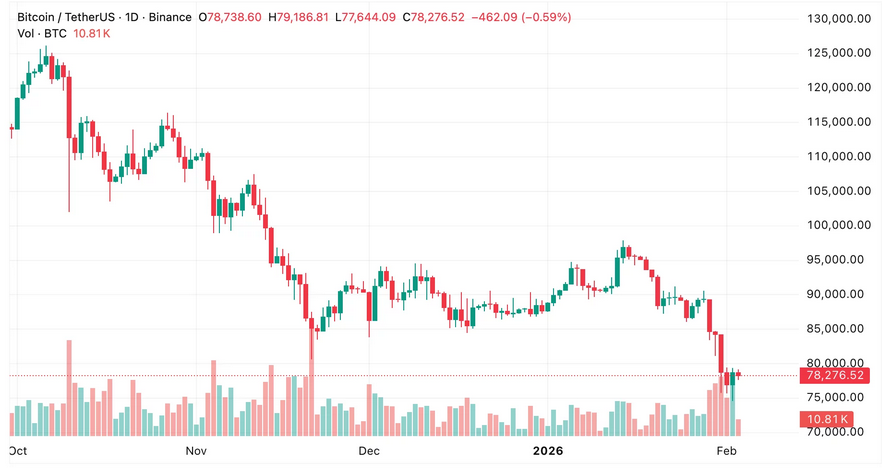
Bitcoin Price Chart
Strategic Interpretation:
Institutional flows remain constructive. Whale behavior introduces short-term volatility. For capital allocators, accumulation on weakness remains the dominant macro strategy.
2. Ethereum: Treasury Rotation and Institutional Accumulation
Ethereum closed at $1,943, gaining 3.9%.
Yet beneath that price increase lies conflicting treasury behavior.
Trend Research Liquidates Holdings
Digital asset treasury firm Trend Research reportedly transferred large volumes of ETH to exchanges, likely to repay outstanding debt obligations. Forced liquidation events often suppress price momentum.
This signals that leveraged corporate ETH exposure may still unwind.
Bitmine Purchases 20,000 ETH
Conversely, crypto treasury company Bitmine—led by investor Tom Lee—purchased approximately 20,000 ETH (~$41.98 million).
This highlights a growing divergence:
- Leveraged entities de-risking.
- Strategic allocators accumulating.
Ethereum’s long-term investment case increasingly revolves around:
- Real-world asset tokenization.
- Stablecoin settlement layers.
- Layer-2 scaling economics.
As tokenized funds expand (discussed in XRP section), Ethereum remains a primary settlement layer competitor.
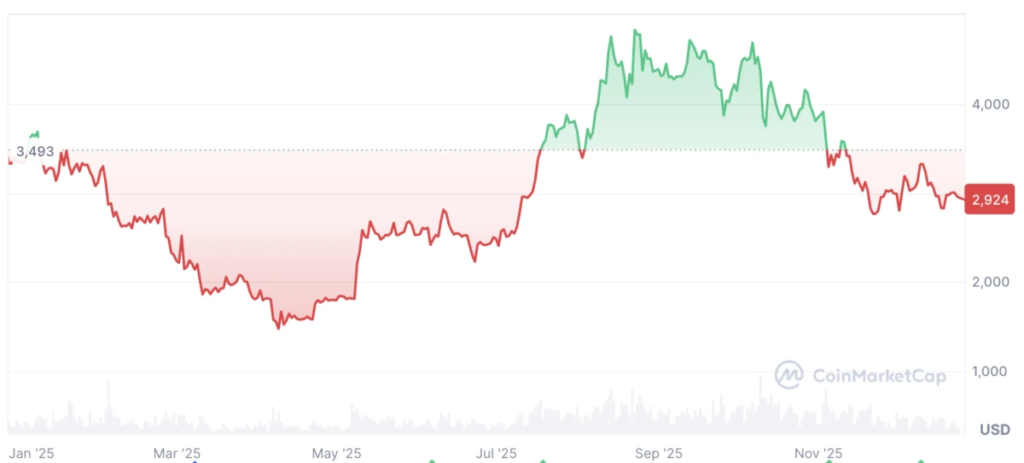
Ethereum Ecosystem Chart
Strategic Insight:
Ethereum’s next growth phase may be less about retail DeFi hype and more about institutional settlement rails.
3. XRP: Institutional Infrastructure Expansion
XRP was the standout performer this week, rising 11.2% to $1.36.
Ripple Expands Custody Platform
Ripple announced strategic partnerships with Securosys and Figment to enhance Ripple Custody, targeting institutional clients.
This follows integration with Chainalysis and acquisition of Palisade.
The implication: Ripple is positioning itself not just as a payments company—but as regulated institutional crypto infrastructure.
Tokenization with Aviva Investors
Ripple also partnered with Aviva Investors to tokenize traditional fund structures on the XRP Ledger.
This is critical.
Tokenization of funds represents a multi-trillion-dollar opportunity:
- Reduced settlement times
- Programmable compliance
- Fractionalized ownership
- Cross-border liquidity
If XRP Ledger becomes a preferred infrastructure for regulated fund issuance, demand for XRP as liquidity fuel may structurally increase.
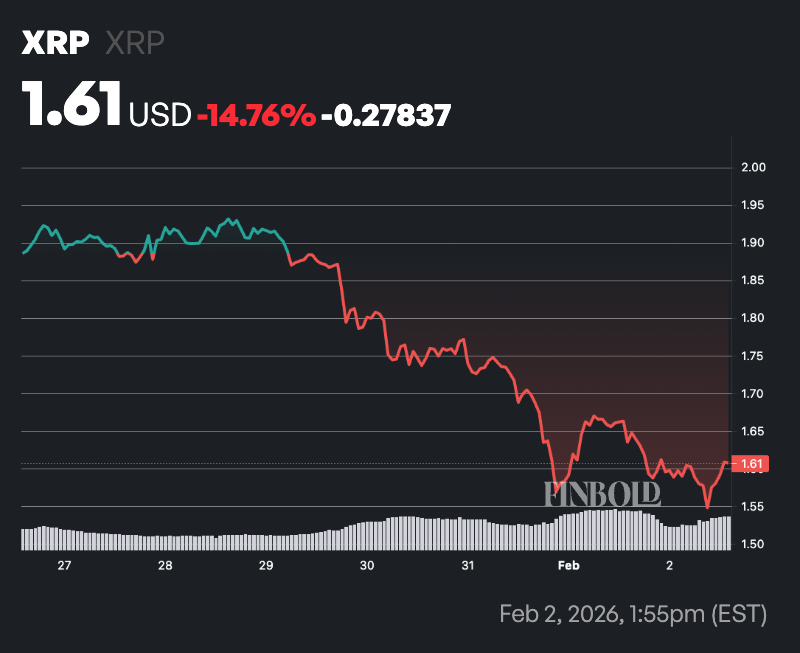
XRP Institutional Narrative Chart
Strategic Insight:
XRP’s rally is not retail-driven speculation. It reflects infrastructure expansion and regulatory alignment.
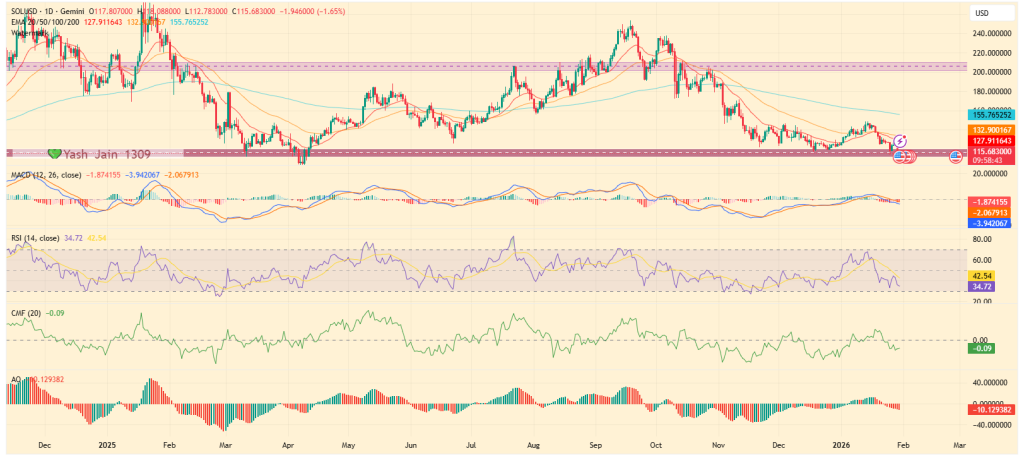
4. Solana: Stabilization Phase
Solana ended at $78.51, up 3.6%.
While less dramatic than XRP, Solana continues to benefit from:
- High-performance DeFi infrastructure
- NFT and consumer app experimentation
- Low-cost settlement economics
Solana’s strength lies in user-experience optimization and throughput.
If Ethereum captures institutional tokenization and XRP captures regulated fund rails, Solana may dominate consumer-facing blockchain applications.
Solana Ecosystem Visual
Macro Overlay: Risk-Off or Structural Accumulation?
Across major assets:
| Asset | Price | Weekly Change |
|---|---|---|
| BTC | $66,216 | +4.3% |
| ETH | $1,943 | +3.9% |
| XRP | $1.36 | +11.2% |
| SOL | $78.51 | +3.6% |
Macroeconomic conditions—US rate expectations, liquidity cycles, and equity volatility—continue to influence digital assets.
However, this cycle differs fundamentally from prior ones:
- ETFs anchor Bitcoin.
- Tokenization anchors Ethereum and XRP.
- Consumer UX anchors Solana.
- Corporate treasuries provide structural bid support.
Final Conclusion: The Infrastructure Cycle Has Begun
This week’s developments suggest that crypto is entering a new phase—not merely speculative, but infrastructural.
Bitcoin remains the macro hedge and treasury reserve.
Ethereum evolves into programmable settlement infrastructure.
XRP accelerates institutional custody and tokenized fund issuance.
Solana competes in high-performance consumer applications.
For readers seeking:
- New crypto assets → Focus on infrastructure plays.
- Revenue opportunities → Explore tokenization and staking ecosystems.
- Practical blockchain applications → Monitor custody, compliance, and treasury integration narratives.
Volatility will persist. Whale movements will shake markets.
But the structural thesis is clear:
Crypto in 2026 is less about hype—and more about institutional architecture.
