
Main Points :
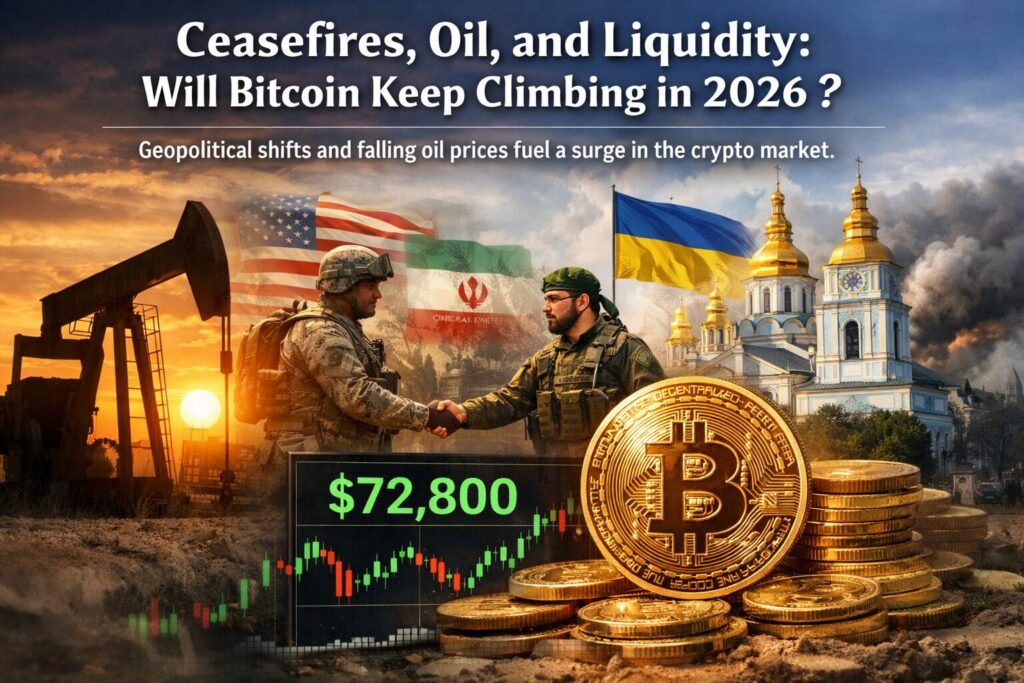
- A temporary ceasefire between the United States and Iran, along with easing signals in Ukraine, triggered a broad risk-on rally across equities, oil, and crypto.
- Bitcoin surged above $72,800, not as a safe haven, but as a risk asset benefiting from improving macro sentiment.
- Historical patterns show that ceasefires alone do not drive crypto rallies—liquidity, monetary policy, and energy prices are the real catalysts.
- Oil price declines (to around $92 per barrel) reduce inflation pressure, increasing the likelihood of monetary easing, which supports crypto markets.
- The current outlook remains conditionally bullish, with key dependencies on ETF inflows, oil stability, and geopolitical durability.
1. April 2026: What Happened and Why Markets Reacted
In early April 2026, global markets responded sharply to geopolitical developments. A two-week ceasefire agreement between the United States and Iran signaled a temporary de-escalation in Middle East tensions. At the same time, Ukraine hinted at a conditional ceasefire arrangement, with President Volodymyr Zelensky stating that Ukraine would reciprocate if Russia halted attacks on energy infrastructure.
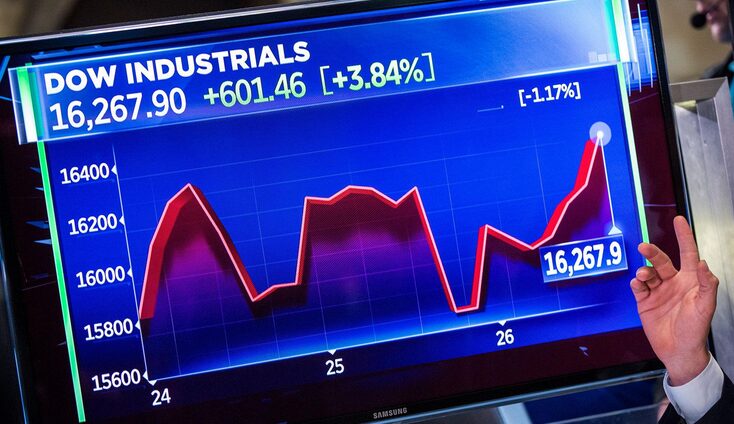
The reaction across financial markets was immediate and synchronized. The Dow Jones Industrial Average surged by over $1,400, while WTI crude oil dropped significantly to approximately $92 per barrel. Bitcoin, riding the wave of improved sentiment, climbed to around $72,841.
This synchronized movement is critical to understand. Bitcoin did not rise independently—it moved alongside equities and inversely to oil. This indicates that the rally was driven not by crisis hedging, but by a shift toward risk-on positioning across global markets.
[Market Reaction to Ceasefire Announcement]
2. The Ukraine Factor: A Psychological Turning Point
While no full ceasefire has been achieved in Ukraine, the signaling itself carries weight. Markets are forward-looking, and even partial or conditional de-escalation introduces the possibility of reduced geopolitical risk.
Combined with Middle East developments, investors are increasingly pricing in a peak in geopolitical tension, which historically leads to capital reallocation toward higher-yielding assets—including cryptocurrencies.
This psychological shift is particularly important in 2026, where institutional participation in crypto markets has increased significantly through ETFs and structured products.
3. Historical Patterns: Do Ceasefires Drive Crypto Bull Runs?
Looking back, ceasefires tend to coincide with improved market sentiment—but they are rarely the primary driver of sustained crypto rallies.
Nagorno-Karabakh Ceasefire (2020)
Bitcoin surged during this period, but the true drivers were aggressive monetary easing and stimulus. The Federal Reserve maintained asset purchases of around $120 billion per month, injecting liquidity into global markets.
Russia–Ukraine War (2022)
Markets initially reacted negatively due to rising oil prices and inflation concerns. Crypto volatility increased, but the medium-term trend followed monetary tightening cycles, not geopolitical headlines.
Israel–Hamas Ceasefire (2025)
Bitcoin’s movement during this period correlated more with ETF inflows and institutional demand than with the ceasefire itself.
Iran Conflict (2026)
Bitcoin dropped sharply at the onset of conflict but recovered within weeks, reinforcing a pattern:
Geopolitical shocks cause short-term volatility, but macro liquidity determines recovery.
4. Why Ceasefires Often Benefit Crypto Markets
4.1 Removal of Geopolitical Risk Premium
When conflict risk declines, investors unwind defensive positions and reallocate into risk assets, including Bitcoin.
4.2 Falling Oil Prices and Inflation Relief
Lower oil prices reduce inflationary pressure. This creates room for central banks—particularly the Federal Reserve—to adopt a more accommodative stance.
4.3 Risk-On Capital Flows
Institutional capital flows, especially through Bitcoin ETFs, increase during periods of optimism.
4.4 Decline in “Crisis Demand”
Interestingly, Bitcoin’s role as a crisis hedge diminishes during ceasefires. However, its evolution into a mainstream risk asset offsets this effect.
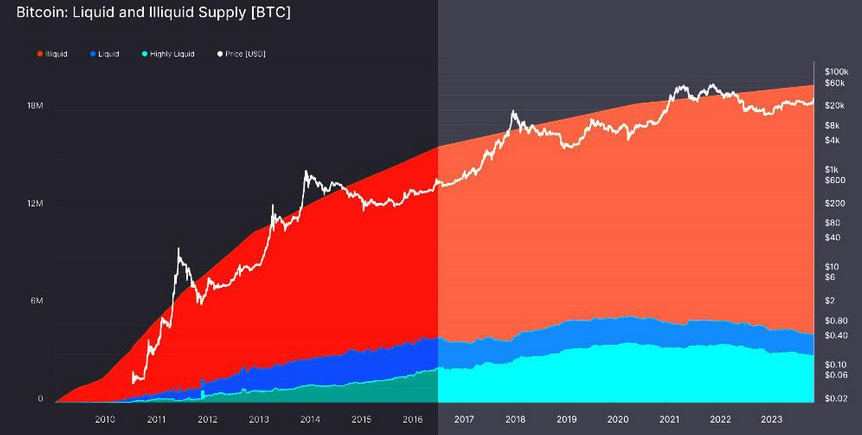
[Oil Price vs Bitcoin Correlation]
5. Why Bitcoin May Not Keep Rising Indefinitely
Despite the positive momentum, several risks remain:
- Ceasefires are temporary and can collapse quickly.
- Ukraine has not reached a full peace agreement.
- Oil prices may rebound if tensions resurface.
- Central banks may delay rate cuts if inflation persists.
Ultimately, Bitcoin’s trajectory depends less on headlines and more on macro conditions, particularly liquidity and interest rates.
6. Price Scenarios for 2026
Bearish Scenario
- Ceasefire collapses
- Oil prices surge above $110
- Continued monetary tightening
→ Bitcoin retraces below $60,000
Neutral Scenario (Most Likely)
- Ceasefires hold temporarily
- Oil stabilizes around $85–$95
- Gradual policy easing
→ Bitcoin consolidates between $65,000–$80,000
Bullish Scenario
- Durable geopolitical stability
- Strong ETF inflows
- Aggressive rate cuts
→ Bitcoin exceeds $90,000+
7. Key Indicators Investors Must Monitor
- Oil Prices
The most critical variable. Rising oil undermines the current bullish thesis. - Ceasefire Sustainability
Short-term agreements must evolve into longer-term stability. - Ukraine Negotiation Progress
Any formal peace agreement would significantly boost market confidence. - ETF Capital Inflows
Institutional demand remains a key structural driver.
8. Strategic Takeaways for Crypto Investors
For investors seeking new opportunities and yield sources, the current environment presents a nuanced landscape:
- Bitcoin is increasingly behaving like a macro asset, not a niche hedge.
- The real opportunity lies in secondary assets (altcoins) that benefit from liquidity expansion.
- Blockchain applications tied to real-world use cases (payments, tokenization, stablecoins) are likely to outperform speculative narratives.
Conclusion: A Tailwind—But Not a Guarantee
The recent ceasefire developments provide a clear tailwind for the cryptocurrency market. The synchronized rise in equities, decline in oil prices, and surge in Bitcoin all point to a classic risk-on environment.
However, this momentum is conditional.
Bitcoin is not rising because of peace alone—it is rising because peace reduces inflation risk, which in turn influences monetary policy and liquidity conditions.
The sustainability of this rally depends on three key pillars:
- Stability in oil prices
- Durability of ceasefires
- Direction of global monetary policy
In conclusion, while the current trend is positive, investors should remain cautious. The crypto market in 2026 is no longer driven by single narratives—it is shaped by a complex interplay of geopolitics, macroeconomics, and institutional capital flows.
