

Key Points :
- Institutional capital is flowing back into Bitcoin via ETFs, corporate accumulation, and pension access
- $70,000 is emerging as a critical structural support zone
- Macro risks—especially war and inflation—are suppressing upside momentum
- Financial giants like Morgan Stanley are formalizing Bitcoin exposure
- Real-world utility is expanding through tokenized finance integrations (e.g., mortgage collateralization)
- Market structure suggests accumulation phase before a potential breakout
1. The Return of TradFi: A Structural Shift Beneath the Surface
The current Bitcoin market is defined by a paradox: price stagnation coexists with deep structural strengthening. While volatility and macro uncertainty dominate short-term sentiment, the underlying foundation of the market is being reshaped by the return of traditional finance (TradFi).
Recent data suggests a decisive re-entry of institutional capital into Bitcoin markets. Spot Bitcoin ETFs have recorded near-$1 billion weekly inflows, signaling renewed conviction among asset managers. Simultaneously, corporate accumulation continues to accelerate. A notable example is Strategy, which acquired over 22,000 BTC—worth approximately $1.6 billion—through innovative financing instruments such as perpetual preferred shares.
This is not merely opportunistic buying; it reflects a broader strategic positioning. Institutions increasingly view Bitcoin not as a speculative asset, but as a macro hedge—akin to digital gold, but with superior liquidity and programmability.
Moreover, Morgan Stanley has filed for a spot Bitcoin ETF and recommends portfolio allocations of 2–4% in crypto assets. This marks a significant shift: Bitcoin is no longer an alternative—it is becoming an allocation standard.
2. The $70,000 Level: Psychological Floor or Structural Support?
(BTC Price Range Visualization – $70K Support Zone)
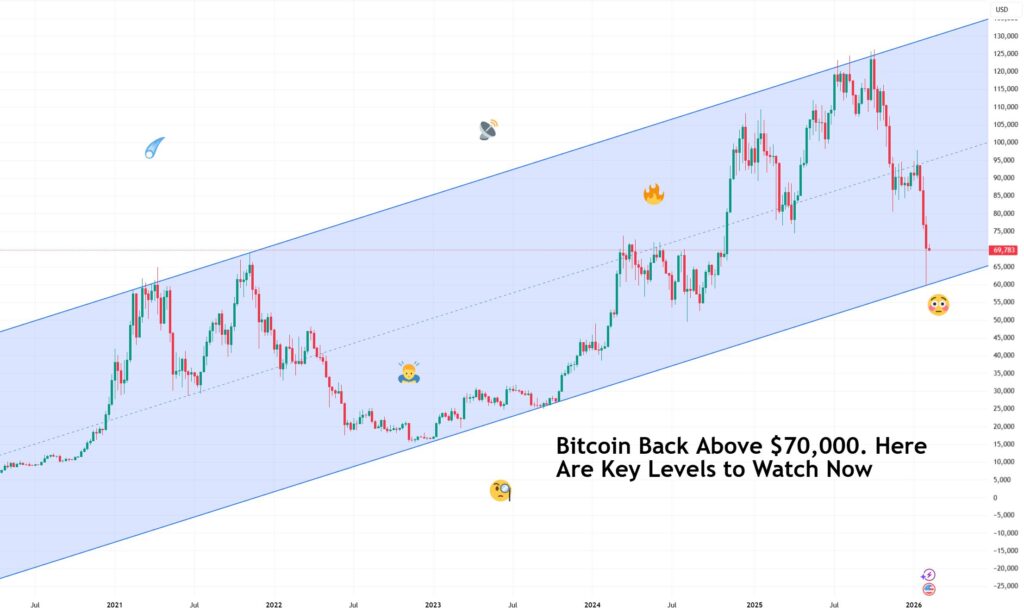
Bitcoin’s repeated interaction with the $70,000 level has transformed it from a psychological threshold into a structural support zone.
Despite multiple macro shocks, including geopolitical tensions and equity market sell-offs, BTC has consistently rebounded after dipping below $70K. This behavior suggests strong buy-side interest concentrated in this region.
Both institutional and retail investors appear aligned in viewing sub-$70K prices as an optimal accumulation zone. This alignment is rare—and powerful. Historically, such consensus zones often precede major trend reversals.
However, resistance remains firm between $71,000 and $76,000, indicating that while demand is strong, conviction is not yet sufficient to drive sustained upward momentum.
3. Macro Headwinds: War, Oil, and Inflation
(Oil Price vs Market Reaction Chart)
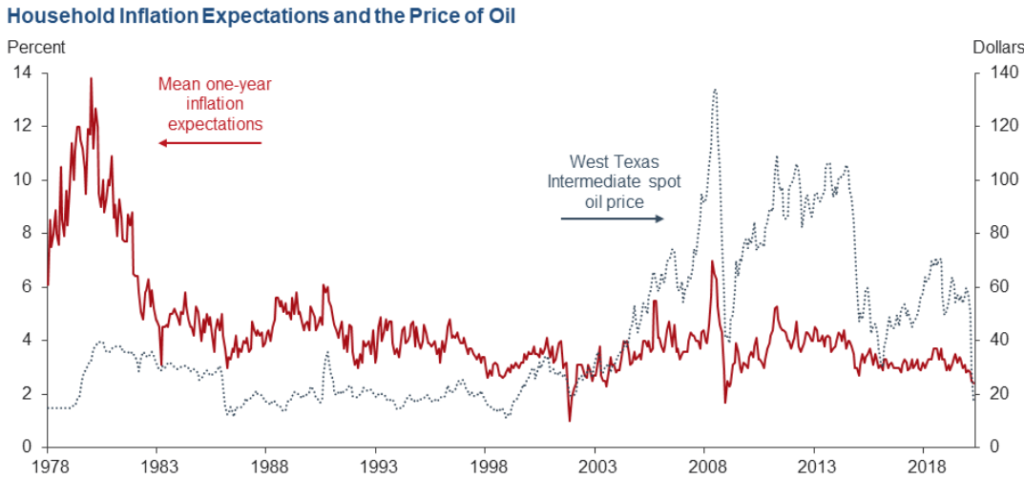
The primary obstacle to Bitcoin’s breakout is not internal—it is external.
Escalating tensions involving the United States, Israel, and Iran have introduced significant uncertainty into global markets. Rising oil prices—both WTI and Brent crude have surged over 4%—are feeding inflation concerns at a time when central banks are already navigating fragile economic conditions.
As inflation expectations rise, risk assets—including equities and cryptocurrencies—face downward pressure. This dynamic was evident in recent market movements, where major indices fell sharply:
- Dow Jones: -$400
- S&P 500: -1.49%
- Nasdaq: -2.07%
Investors are reducing exposure to volatile assets, prioritizing capital preservation over speculative gains.
Bitcoin, despite its “digital gold” narrative, is still treated as a risk asset in short-term macro cycles. This creates a temporary disconnect between its long-term thesis and short-term price action.
4. Expanding Utility: Bitcoin Beyond Speculation
(Tokenized Mortgage Flow Diagram)
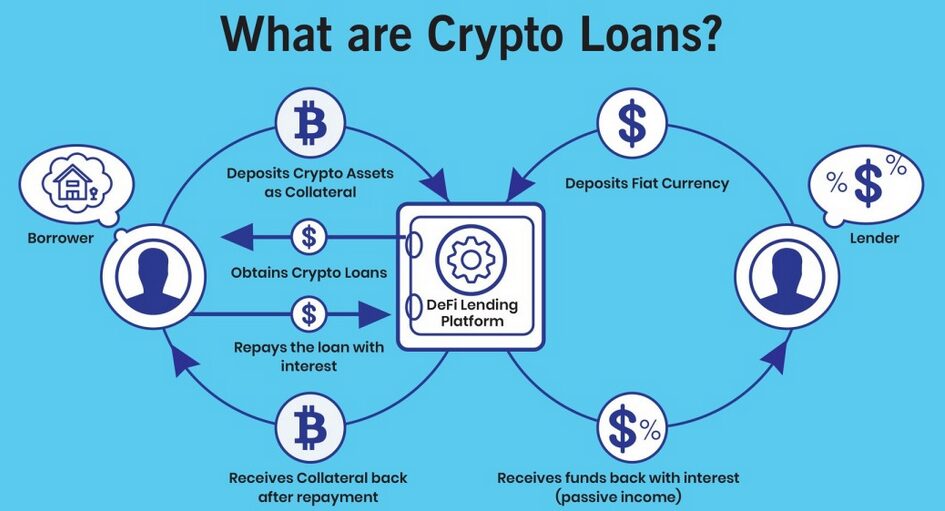
One of the most significant—and underappreciated—developments is Bitcoin’s integration into real-world financial systems.
Coinbase has launched a token-backed mortgage down payment service in partnership with Fannie Mae. This allows Bitcoin holders to leverage their assets without triggering taxable events.
This is a fundamental shift.
Instead of selling BTC to access liquidity, users can now borrow against it—unlocking capital while maintaining exposure. This mirrors traditional finance practices (e.g., securities-backed lending) and positions Bitcoin as a productive asset within the broader economy.
Such innovations are critical for long-term adoption. They transform Bitcoin from a passive store of value into an active financial instrument.
5. Pension Funds and the Next Wave of Capital
Another major catalyst lies in retirement markets.
A recent regulatory development in the United States has cleared a path for Bitcoin exposure within the $10 trillion 401(k) pension system. If implemented, this could unlock one of the largest pools of capital in the world.
The implications are profound:
- Even a 1% allocation would represent $100 billion in inflows
- Institutional demand would become structurally embedded
- Volatility could decrease as long-term holders dominate
This aligns with the broader trend of Bitcoin becoming a “core asset” rather than a speculative satellite.
6. Market Structure: Accumulation Before Expansion
(Accumulation Phase Schematic)
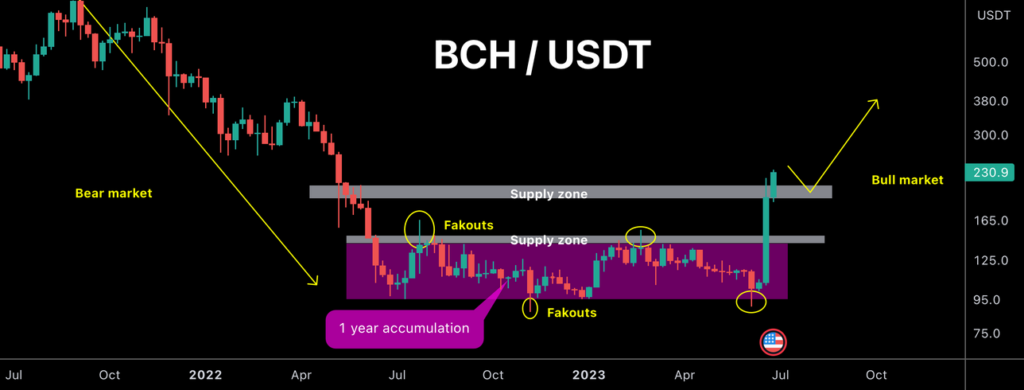
From a structural perspective, Bitcoin appears to be in an accumulation phase.
Key indicators supporting this view include:
- Declining realized profits (down over 96% from peak levels)
- Weak spot volume despite stable price levels
- Short bias in derivatives markets
- Increasing whale wallet accumulation
These conditions are characteristic of late-stage consolidation before a breakout.
Notably, short positioning creates the potential for a short squeeze—a rapid upward movement driven by forced liquidations of bearish bets.
7. The Road to $150,000: Realistic or Optimistic?
Analysts from Bernstein project Bitcoin reaching $150,000 by the end of 2026.
While such forecasts may appear ambitious, they are grounded in several converging trends:
- Institutional adoption
- Supply constraints post-halving
- Expansion of real-world use cases
- Integration into traditional financial infrastructure
However, this trajectory is unlikely to be linear. Volatility—especially driven by macro events—will remain a defining feature.
Conclusion: A Market Defined by Contradictions
Bitcoin today sits at the intersection of two powerful forces.
On one side, institutional adoption, financial integration, and technological innovation are strengthening its long-term value proposition. On the other, geopolitical instability, inflation, and risk-off sentiment are suppressing its price in the short term.
The $70,000 level represents more than just a price point—it is a battleground between these opposing narratives.
If institutional flows continue and macro conditions stabilize, this zone may ultimately be remembered not as resistance, but as the foundation of the next major bull cycle.
