
Key Takeaways :
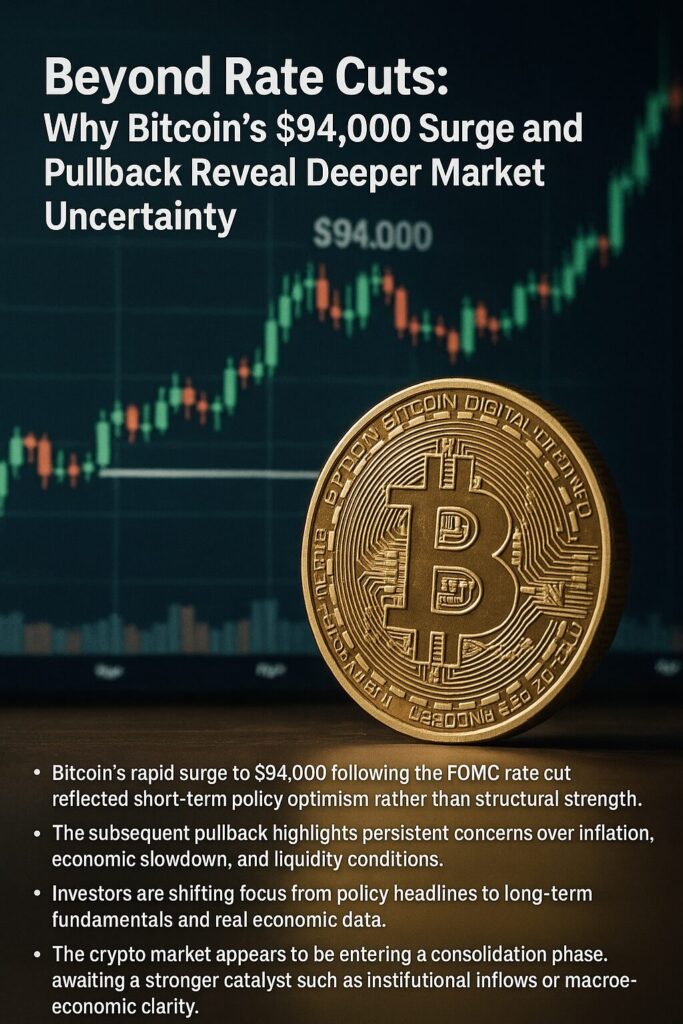
- Bitcoin’s rapid surge to $94,000 following the FOMC rate cut reflected short-term policy optimism rather than structural strength.
- The subsequent pullback highlights persistent concerns over inflation, economic slowdown, and liquidity conditions.
- Investors are shifting focus from policy headlines to long-term fundamentals and real economic data.
- The crypto market appears to be entering a consolidation phase, awaiting a stronger catalyst such as institutional inflows or macroeconomic clarity.
- This behavior signals a maturing market where expectations alone no longer sustain long-term rallies.
Introduction: A Rally That Failed to Deliver Confidence
Bitcoin’s sudden rally to approximately $94,000 after the Federal Open Market Committee (FOMC) announced an interest rate cut initially appeared to confirm the long-standing narrative that looser monetary policy fuels risk assets. However, the subsequent price reversal and soft trading conditions revealed a more complex reality.
Rather than ushering in renewed confidence, the rate cut exposed underlying anxieties about inflation persistence, economic fragility, and the limits of monetary easing. For investors seeking new digital assets, alternative revenue streams, or practical blockchain use cases, this episode offers valuable insight into how crypto markets now interpret macroeconomic signals.
1. Why the Rate Cut Failed to Deliver Reassurance
The expectation surrounding the FOMC decision was straightforward: lower interest rates would ease financial conditions, revive liquidity, and push capital toward alternative assets such as Bitcoin. Historically, such policy shifts have triggered strong crypto rallies.
Yet this time, the enthusiasm faded quickly. The reason lies in the broader economic context. Inflation, while moderating, remains structurally sticky. Labor markets show signs of slowing without collapsing, and consumer demand is increasingly uneven. In this environment, a rate cut is no longer perceived as a growth catalyst but as a defensive maneuver.
For Bitcoin, this distinction matters. A rate cut driven by economic weakness does not automatically translate into sustained demand for risk assets. Instead, it raises questions about corporate earnings, consumer spending, and systemic resilience—factors that indirectly influence crypto adoption and capital flows.
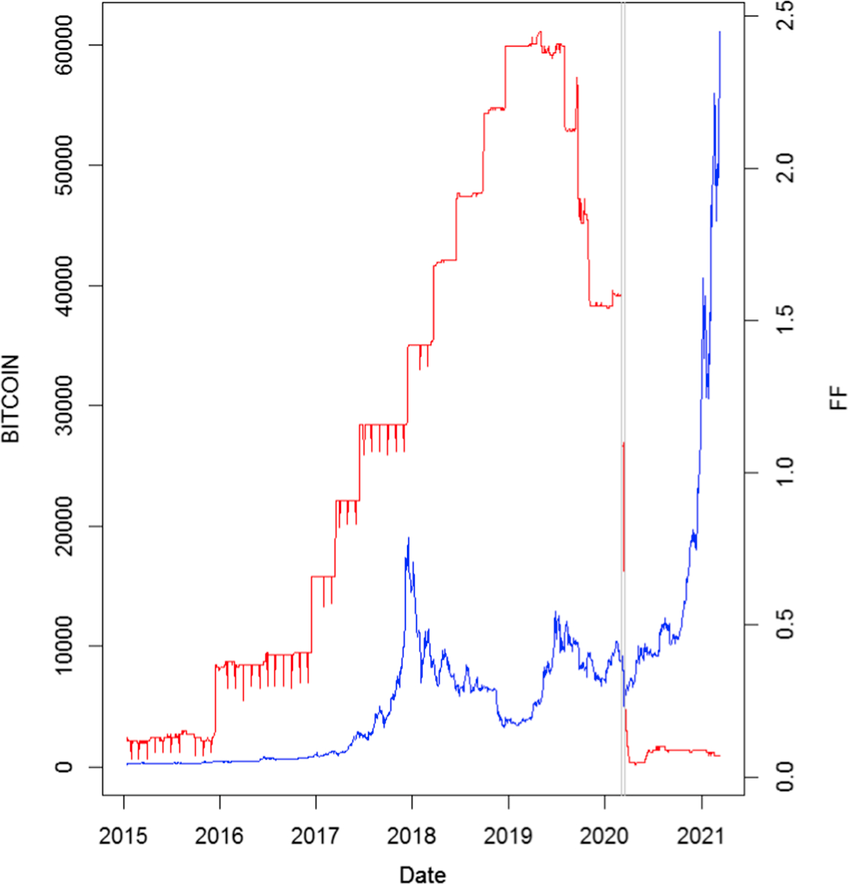
[Bitcoin price movement before and after the FOMC rate cut]
2. Inflation and the Limits of Monetary Policy
Another critical factor is inflation credibility. Markets are increasingly skeptical that rate cuts alone can neutralize long-term inflationary pressures. Supply chain restructuring, geopolitical fragmentation, and rising fiscal deficits continue to exert upward pressure on prices.
This skepticism dampens enthusiasm for speculative assets. While Bitcoin is often described as an inflation hedge, its short-term behavior still correlates strongly with liquidity cycles. When investors doubt the effectiveness of policy easing, they become cautious rather than aggressive.
As a result, the post-rally pullback reflects a recalibration of expectations. Investors are no longer pricing in unlimited liquidity but are reassessing how much real capital will flow into crypto markets under constrained conditions.
3. Market Psychology: From Optimism to Vigilance
The sharp reversal from $94,000 illustrates a rapid shift in investor psychology. Initial optimism gave way to vigilance as traders realized that macro risks had not disappeared.
This transition marks a structural change in market behavior. In earlier cycles, policy announcements alone often sustained prolonged rallies. Today, investors demand confirmation through economic data, earnings performance, and tangible adoption metrics.
This caution is particularly evident among institutional participants. Asset managers and corporate treasuries increasingly treat Bitcoin as a portfolio component rather than a speculative bet. That shift naturally leads to more disciplined entry and exit behavior.
4. A Market Waiting for Its Next Catalyst
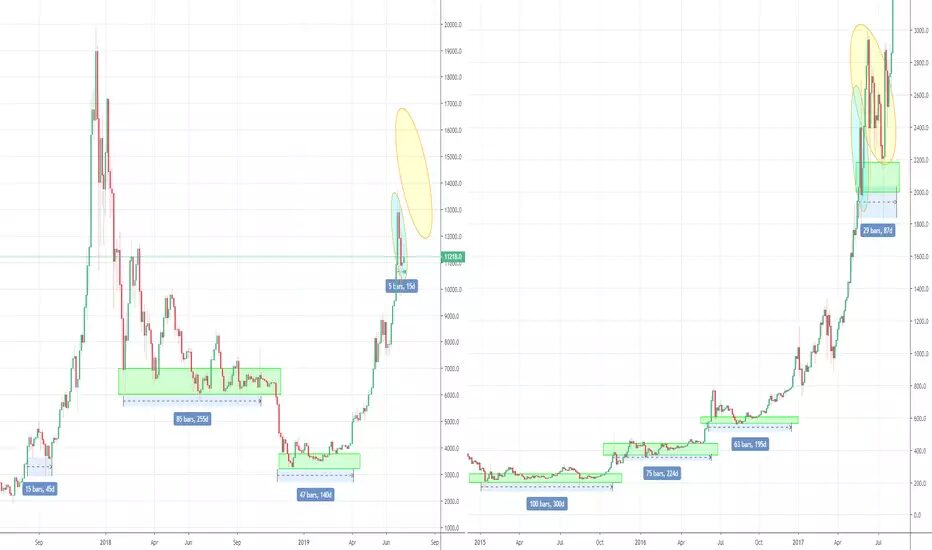
With enthusiasm tempered, Bitcoin appears to be entering a range-bound phase. Such consolidation periods are not signs of weakness but of digestion. Markets pause to absorb information, reprice risk, and accumulate energy for the next directional move.
Potential catalysts include:
- Clear confirmation of a sustained easing cycle by the Federal Reserve
- Strong economic indicators signaling a soft landing
- Major institutional allocations into spot Bitcoin ETFs or tokenized financial products
- Regulatory clarity that enables broader enterprise adoption of blockchain infrastructure
Until one of these emerges, sideways movement may dominate.
[Comparison of Bitcoin price ranges during past consolidation phases]
5. What This Means for Blockchain Practitioners and Investors
For those focused on practical blockchain use, this environment favors substance over speculation. Infrastructure projects, tokenized real-world assets, payment systems, and compliance-ready platforms are likely to outperform purely narrative-driven tokens.
Similarly, investors searching for new revenue streams may find greater opportunity in yield-generating protocols, enterprise blockchain services, and regulated digital asset frameworks rather than short-term price momentum.
The key lesson from Bitcoin’s $94,000 surge and pullback is that the market has matured. Expectations alone are no longer sufficient. Sustainable growth now depends on real adoption, regulatory alignment, and macroeconomic stability.
Conclusion: A Sign of Maturity, Not Weakness
Bitcoin’s failure to sustain its post-rate-cut rally should not be interpreted as a bearish signal in isolation. Instead, it reflects a market that has evolved beyond reflexive reactions to monetary policy.
This new phase rewards patience, analysis, and strategic positioning. For those seeking the next generation of crypto assets and blockchain applications, the current uncertainty may prove to be fertile ground—provided decisions are grounded in fundamentals rather than headlines.
